Prevention Is the Best Care: How to Prevent Diseases in Dogs and Cats
02/01/2026 • 2 min read • 290 views
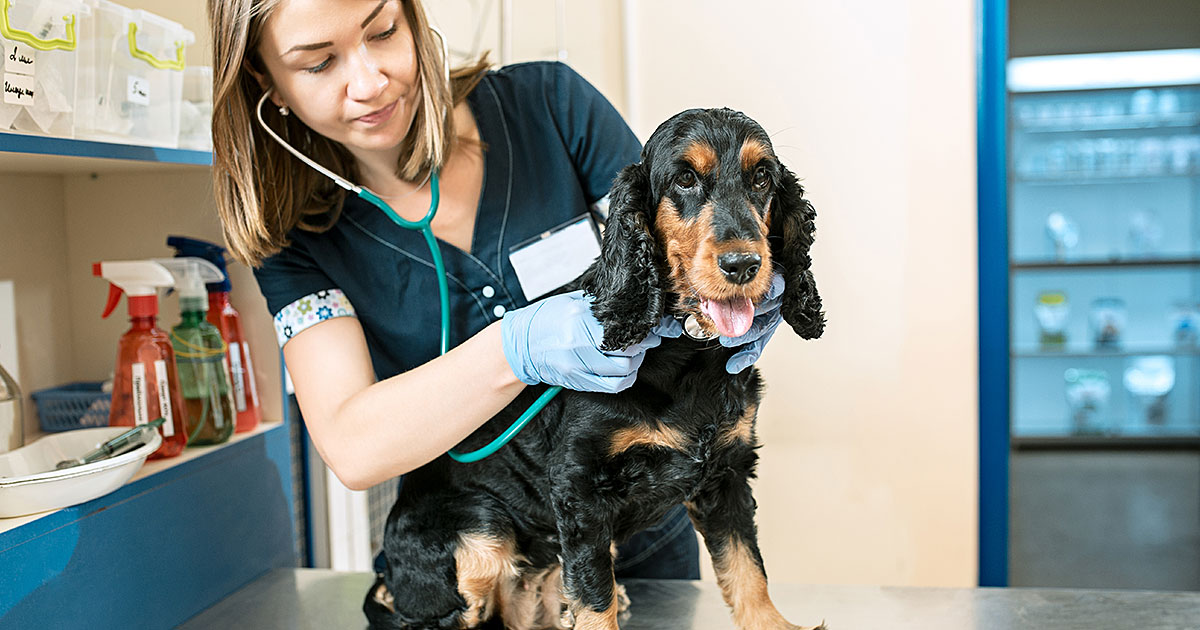
Prevention is the foundation of dogs’ and cats’ health. Learn about the essential preventive measures that help avoid diseases, reduce risks, and ensure a better quality of life for pets.
Caring for the health of dogs and cats goes far beyond treating illnesses when they appear. Modern veterinary medicine clearly shows that prevention is more effective, safer, and more economical than treatment.
Preventive care includes vaccinations, parasite control, proper nutrition, and regular veterinary check-ups. These measures play a crucial role in improving longevity and overall well-being.
In this article, you will learn how preventive care protects dogs and cats from diseases and which actions every responsible pet owner should adopt.
What Is Preventive Veterinary Care?
Preventive veterinary care consists of proactive measures that reduce the risk of diseases or allow them to be detected at early stages.
It includes actions such as:
- Vaccination
- Parasite control
- Veterinary check-ups
- Balanced nutrition
- Proper hygiene and management
- Continuous observation of the animal’s behavior
Vaccination: protection from the first months
Vaccination is one of the most important preventive tools. It stimulates the immune system to recognize and fight pathogens responsible for serious and potentially life-threatening diseases.
Preventable diseases include:
- Canine distemper
- Parvovirus
- Rabies
- Leptospirosis
- Feline panleukopenia
- Feline rhinotracheitis and calicivirus
Parasite control: ongoing care
Fleas, ticks, and worms are more than just a nuisance. They can transmit serious diseases, cause anemia and allergies, and significantly compromise a pet’s health.
Parasite control should be:
- Regular
- Guided by a veterinarian
- Appropriate for the animal’s age, weight, and lifestyle
Proper nutrition: the foundation of immunity and longevity
A balanced diet strengthens the immune system, improves intestinal health, supports weight control, and reduces the risk of metabolic diseases.
Nutrition should be:
- Species- and life-stage specific
- Of good quality and origin
- Provided in the correct amount
Regular veterinary visits: even without symptoms
Many pet owners seek veterinary care only when clear signs of illness appear. However, preventive visits are essential, even when pets seem healthy.
During a check-up, the veterinarian may:
- Assess weight and body condition
- Examine teeth, skin, eyes, and ears
- Request routine tests, if necessary
Hygiene, environment, and well-being
Keeping the environment clean, providing fresh water, encouraging physical activity, and respecting emotional well-being are also part of preventive care.
These practices help to:
- Reduce stress
- Prevent infections
- Improve quality of life
Conclusion
Prevention is the best investment in the health of dogs and cats. With simple daily care and regular veterinary support, many diseases can be avoided, ensuring a longer, healthier, and happier life for pets.